
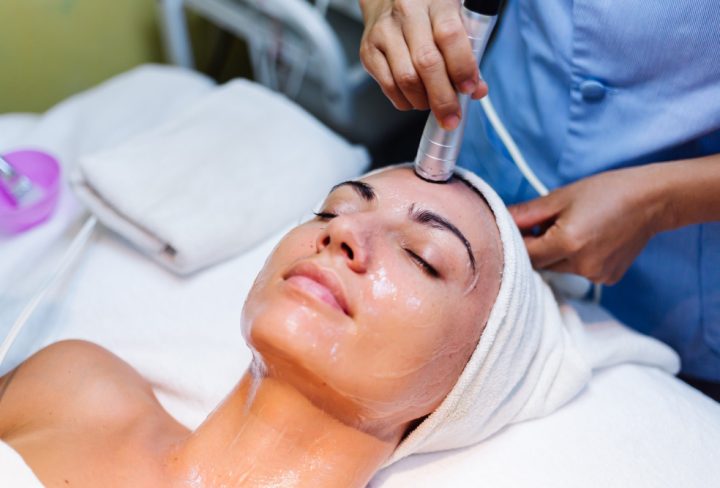
Introduction to Hydrafacial Therapy
Hydrafacial therapy is a popular skin treatment. Many people choose it for smoother, brighter skin. This therapy uses a special device to clean, exfoliate, and hydrate your face. Unlike some other treatments, Hydrafacial therapy is gentle and quick. As a result, it has become a favorite in many clinics and spas. People of all ages enjoy its benefits. According to experts, Hydrafacial therapy is safe for most skin types. If you want a fresh look without downtime, this treatment may be for you.
Key Benefits of Hydrafacial Therapy
Hydrafacial therapy offers many advantages. For example, it can help with:
Additionally, Hydrafacial therapy is non-invasive. That means there are no needles or harsh chemicals. Most people see results after just one session. However, regular treatments can give longer-lasting effects. Many dermatologists recommend Hydrafacial therapy for its quick recovery time.
Step-by-Step Hydrafacial Procedure
The Hydrafacial procedure is simple and comfortable. Here is what you can expect during your visit:
Each step uses a gentle, vacuum-like tool. The whole Hydrafacial procedure usually takes about 30 to 45 minutes. You can return to your normal activities right after the treatment.
Who Should Consider Hydrafacial Therapy?
Many people can benefit from Hydrafacial therapy. For instance, you may consider it if you:
However, some people with certain skin conditions should ask a doctor first. For example, if you have active rashes, sunburn, or severe allergies, talk to a professional. Most clinics offer a free consultation to see if Hydrafacial therapy is right for you.
Possible Side Effects and Safety Information
Hydrafacial therapy is safe for most people. Still, like any treatment, there can be mild side effects. These may include:
Usually, these effects go away within a few hours. According to the Centers for Disease Control and Prevention (CDC), non-invasive skin treatments like Hydrafacial therapy rarely cause serious problems. But, always choose a certified provider for your safety. If you have any concerns, ask your doctor before starting treatment.
Aftercare Tips and Maintenance
Proper aftercare helps you get the best results from Hydrafacial therapy. Here are some simple tips:
For lasting results, many experts suggest monthly Hydrafacial sessions. However, your provider can recommend the best schedule for your skin type.
Frequently Asked Questions
For more information, consult a certified cosmetologist for personalized advice on Hydrafacial therapy.